Measuring Weight: The Definitive Guide to Accurate Results
Accurate weight measurement is a fundamental step in any health, fitness, or medical journey. Beyond just a number, precise weight tracking provides invaluable insights into physiological changes, dietary effectiveness, and exercise impact. This guide delves into the scientific protocols and best practices to ensure your weight measurements are as reliable as possible, forming a solid foundation for your health goals.
Featured Snippet: What is the most accurate method for daily weight measurement?
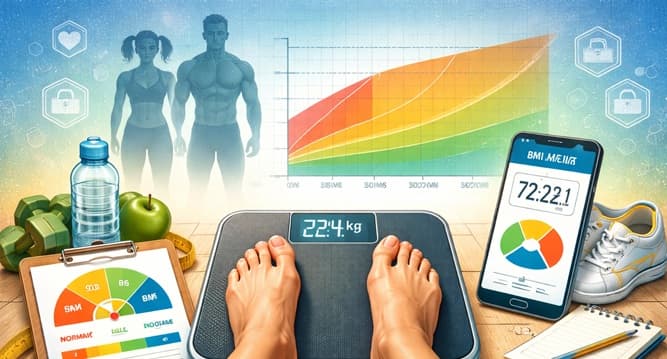
For the most reliable daily weight measurement, use a calibrated digital scale on a hard, flat surface. Weigh yourself first thing in the morning, after voiding and before consuming any food or drink, wearing minimal clothing. Consistency in these factors is paramount for tracking meaningful trends.
The Physiology of Weight Fluctuation: Why Consistency Matters
Body weight is not a static value; it fluctuates throughout the day and week due to a myriad of physiological processes. Understanding these factors is crucial to interpreting your measurements correctly and avoiding unnecessary frustration [1].
Key Factors Influencing Daily Weight:
- Hydration Levels: Water constitutes 50-70% of adult body weight. Intake, sweat, and fluid retention (influenced by sodium, hormones, and exercise) can cause significant shifts [2].
- Food and Beverage Intake: The physical mass of consumed food and liquids adds directly to your weight until digested and eliminated.
- Glycogen Stores: Muscles and liver store carbohydrates as glycogen, which binds with water. Depleted or replenished glycogen stores can lead to weight changes.
- Waste Elimination: Bowel movements and urination naturally reduce body mass.
- Hormonal Cycles: Women may experience fluid retention and weight gain during certain phases of their menstrual cycle [3].
Given these variables, a single daily measurement is a snapshot. The true value lies in observing trends over time, which necessitates a highly consistent measurement protocol.
The Gold Standard Protocol for Accurate Weight Measurement
To minimize variability and maximize the reliability of your weight data, adhere to the following evidence-based protocol:
- Timing: Always weigh yourself at the same time each day, preferably in the morning immediately after waking up and using the restroom, before any food or drink intake. This ensures your body is in a fasted and relatively dehydrated state, reducing external variables.
- Equipment: Use a high-quality, calibrated digital scale. Digital scales offer greater precision (typically ±0.1 kg or 0.2 lbs) compared to analog scales. Ensure the scale is placed on a hard, flat, non-carpeted surface to prevent inaccurate readings [4].
- Attire: Weigh yourself with minimal or no clothing. The weight of clothing can vary, introducing inconsistency. If clothing is necessary, use the exact same items each time.
- Posture: Stand still with your weight evenly distributed on both feet, looking straight ahead. Avoid leaning on anything.
- Frequency: While daily weighing can be motivating for some, weekly measurements (on the same day and time) are often more informative for tracking long-term trends, as they smooth out daily fluctuations [1].
Interpreting Your Weight: Beyond the Number
Your weight is one piece of a larger health puzzle. To gain a comprehensive understanding, consider these additional metrics:
| Metric | Description | Why it Matters | Tool Link |
|---|---|---|---|
| Body Mass Index (BMI) | Ratio of weight to height, used as a general indicator of healthy weight range. | Population-level screening for obesity/underweight. | BMI Calculator |
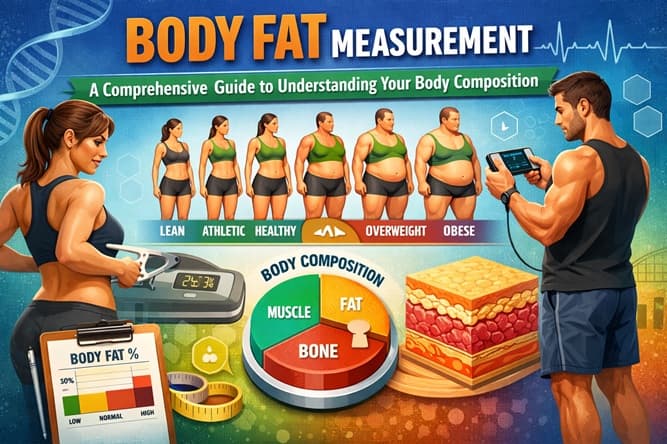
| Body Fat Percentage | The proportion of total body weight that is fat. | More accurate indicator of health risks and body composition than weight alone. | Body Fat Calculator |
| Waist Circumference | Measurement around the abdomen. | Indicator of visceral fat, linked to metabolic diseases. | (Link to be added if available) |
| Weight History/Trend | Tracking weight changes over weeks/months. | Reveals true progress, identifies plateaus, and helps adjust strategies. | Weight History Tracker |
By combining consistent weight measurement with these complementary metrics, you can develop a holistic view of your health and make informed decisions on your wellness journey.
References
[1] Healthline. (n.d.). 6 Rules to Weighing Yourself — and When to Ditch the Scale. https://www.healthline.com/health/weight-loss/weigh-yourself-guidelines [2] Popkin, B. M., D'Anci, K. E., & Rosenberg, I. H. (2010). Water, hydration, and health. Nutrition Reviews, 68(8), 439–458. https://academic.oup.com/nutritionreviews/article/68/8/439/1842006 [3] White, C. P., Hitchcock, C. L., & Vigna, Y. M. (2011). Fluid retention and weight gain in the menstrual cycle. Obstetrics & Gynecology, 118(1), 12-18. [4] PMC. (n.d.). Measuring Weight with Electronic Scales in Clinical and Research Settings. https://pmc.ncbi.nlm.nih.gov/articles/PMC7267353/